
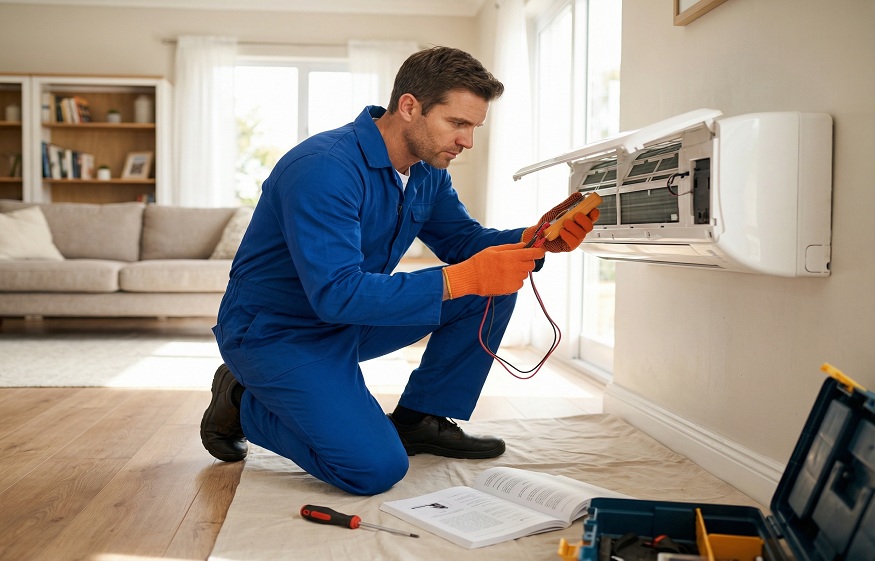
Few household problems feel more frustrating during hot weather than switching on your air conditioner only to feel warm air coming from the vents. It can instantly raise concerns about expensive repairs, poor indoor comfort, and rising energy bills. Fortunately, not every cooling issue means system failure. Many common AC problems have simple causes that homeowners can check before assuming the worst.
Before calling professional services, it helps to understand that your air conditioning system relies on several connected components working together. Thermostats, air filters, refrigerant, electrical connections, and airflow all play important roles. A small issue in one area can disrupt cooling performance. Taking a calm, step-by-step approach can often identify whether the problem is minor or requires expert HVAC maintenance.
Start With the Thermostat Settings
Sometimes the simplest explanation is the correct one. Thermostat settings are often overlooked, especially after seasonal changes, battery replacements, or accidental adjustments. If your system is set incorrectly, it may run without actually cooling your home.
Quick Thermostat Checks
Make sure the thermostat is set to “cool” rather than “fan” or “heat.” Verify the temperature setting is lower than your current room temperature. Replace batteries if needed and inspect for programming errors. Smart thermostats may also require software resets or Wi-Fi reconnection to restore proper function.
Check Your Air Filter First
A clogged air filter is one of the most common reasons an AC system blows warm air. Dirty filters restrict airflow, making it harder for your system to cool efficiently and increasing strain on HVAC components.
Signs Your Air Filter May Be the Problem
Restricted airflow can reduce cooling, freeze coils, and increase utility costs. Homeowners should inspect filters monthly during heavy use. If airflow remains weak after replacement, professional services may be necessary to evaluate deeper airflow or ductwork concerns.
Read More: How Estate Agents in Colliers Wood Market Homes for Faster Sales
Common Signs of a Dirty Filter:
- Weak airflow from vents
- Dust buildup around registers
- Higher energy bills
- Uneven cooling
- Frozen indoor coils
- Increased allergy symptoms
Regular filter changes improve home comfort and energy efficiency.
Inspect the Outdoor Condenser Unit
Your outdoor AC unit releases heat from inside your home. If it becomes blocked by dirt, grass, leaves, or debris, cooling efficiency can drop significantly.
Outdoor Unit Maintenance Basics
Check for visible obstructions around the condenser and clear at least two feet of space around it. Gently rinse dirt from the exterior fins using a garden hose with light pressure. Avoid bending components or opening sealed panels. Proper outdoor airflow is essential for effective heat exchange.
Look for Circuit Breaker or Power Issues
Sometimes your AC system may appear to run while key components lack power. A tripped breaker can disable the outdoor condenser while the indoor fan continues circulating warm air.
Electrical Troubleshooting Tips
Check your home’s electrical panel for tripped breakers connected to the HVAC system. Reset only once if safe. Frequent breaker trips may indicate electrical faults, capacitor issues, or compressor trouble, which should always be inspected by licensed HVAC technicians.
Refrigerant Problems May Require Immediate Attention
Low refrigerant is a more serious issue that often requires expert diagnosis. Refrigerant does not naturally run out, so low levels usually indicate a leak.
Read More: Which Factors Impact the Price of a 10-Litre Geyser?
Warning Signs of Refrigerant Issues
If your AC blows warm air while running constantly, or you notice ice buildup on refrigerant lines, hissing sounds, or reduced cooling, refrigerant loss may be the cause. At this stage, professional services are often essential for leak detection, repairs, and safe refrigerant recharging.
Signs You May Have Refrigerant Problems:
- Ice on coils or lines
- Hissing sounds
- Warm air despite long cycles
- Higher humidity indoors
- Rising energy bills
- Reduced cooling power
Addressing refrigerant issues early can prevent compressor damage.
Evaluate Air Ducts and Vents
Even when your AC unit works properly, duct leaks or blocked vents can reduce cool airflow throughout your home.
Airflow Distribution Problems
Closed vents, damaged ductwork, or leaks can cause uneven temperatures and reduced comfort. Walk through your home to ensure vents are open and unobstructed by furniture or curtains. If certain rooms stay warm consistently, duct inspection may improve airflow and overall HVAC performance.
Preventative HVAC Maintenance Reduces Future Problems
Regular maintenance remains one of the best ways to avoid sudden cooling failures. Seasonal inspections can catch small issues before they become expensive emergencies.
Smart AC Maintenance Habits:
- Replace filters every 1–3 months
- Keep outdoor units clear
- Schedule annual tune-ups
- Clean vents regularly
- Monitor thermostat performance
- Seal air leaks around windows and doors
Preventive care supports energy savings and system longevity.
When DIY Troubleshooting Isn’t Enough
While some AC issues are simple, others require professional repair. Delaying expert service can worsen damage and increase repair costs.
Call HVAC Experts If:
- Warm air continues after basic troubleshooting
- Refrigerant issues are suspected
- Electrical breakers keep tripping
- Strange noises develop
- Water leaks appear
- Airflow remains weak
Prompt repairs protect both comfort and long-term HVAC efficiency.
Conclusion
An air conditioner blowing warm air can feel alarming, but many issues have manageable solutions that homeowners can troubleshoot first. Checking thermostat settings, replacing filters, inspecting outdoor units, and monitoring airflow can often restore cooling or identify clear warning signs. When problems involve refrigerant, electrical concerns, or persistent performance issues, professional help is the safest path. By combining basic troubleshooting with regular HVAC maintenance, homeowners can improve energy efficiency, reduce repair costs, and maintain reliable indoor comfort all season long.